
Prosthetics
Dental prosthetics is a branch of dentistry that deals with the replacement of lost or damaged teeth in order to improve functionality, aesthetics and general oral health. This area includes a wide range of prosthetic solutions, from partial dentures to fixed bridges and dental implants, to provide patients with optimal oral rehabilitation.
One of the basic methods of dental prosthetics is the production of dentures. Partial dentures are used when the patient has lost one or more teeth, while total dentures replace all teeth in one dental arch. Dentures are not only a means to restore chewing, but also to preserve the shape of the face and improve speech. Modern prostheses are made of high-quality materials such as acrylic or metal base, adapting to the natural appearance of teeth and gums.
Fixed prosthetic work includes bridges and crowns. Crowns are used to cover damaged or aesthetically problematic teeth, giving them strength and a natural look. Bridges are used to replace missing teeth, attaching to adjacent teeth or dental implants. These fixed prosthetic works often provide long-lasting and stable solutions.
Dental prosthetics also includes the reconstruction of oral structures using the so-called of temporomandibular prostheses in patients with jaw and jaw joint disorders. These braces help maintain jaw balance and reduce symptoms such as pain and limitations in jaw mobility.
Modern technology, including digital impressions, CAD/CAM (computer-aided design and manufacturing) and 3D printing, has significantly improved the processes of creating prosthetic work, making them more precise and adaptable to the patient's needs.
There are several types of prosthetic dental restorations that dentists use to restore the functionality and aesthetics of a patient's smile. Here is an overview of some of the most common types of prosthetic restorations:
- Krunice (zubne krune): Crowns are used to cover damaged or aesthetically unsatisfactory teeth. They are made from a variety of materials, including metal-ceramic, zirconium oxide, and all-ceramic materials. Crowns are placed over the remaining part of the natural tooth, giving it a stronger structure and natural appearance.
- Mostovi: Bridges are used to replace one or more missing teeth. They consist of ties (arms) that are attached to adjacent teeth (or dental implants), while the pontic (the corresponding part of the bridge) replaces the lost teeth. Bridges not only solve the functional problems caused by tooth loss, but also improve the aesthetics of the smile.
- Proteze: Dentures are mobile restorations that are used to replace a large number of lost teeth. Partial dentures are used when the patient still has some natural teeth, while total dentures replace all the teeth in the jaw. Modern materials and techniques enable the production of prostheses that are comfortable to wear and aesthetically appealing.
- Dentalni implantati: Dental implants are a permanent and solid replacement for lost teeth. Titanium screws are placed directly in the jaw, simulating the function of the natural root of the tooth. Crowns, bridges or prostheses are then placed on the implants. These implants provide stability and a long-lasting solution, and also prevent bone loss in the jaw.
- Inlay-i, Onlay-i: Inlays and onlays are indirect restorations used to restore damaged or caries-affected parts of the tooth. An inlay is used to restore the inside of a tooth, while an onlay covers most of the tooth, including the tip.
- Attachment proteze: This type of prosthesis uses small fasteners, known as attachments, which are placed on adjacent teeth or dental implants. These attachments enable a tighter connection of the prosthesis, improving stability and functionality.
- Overlay proteze: Overlay prostheses combine the features of fixed and mobile restorations. They are firmly attached to the remaining teeth, providing stability, but can be removed by the patient to maintain oral hygiene.
.
In dental prosthetics, different materials are used to make different types of prosthetic restorations. The choice of material depends on the specific needs of the patient, aesthetic requirements, functional characteristics and other factors. Here is an overview of some common materials used in dental prosthetics:
- Metal-keramika: This material is often used to make crowns and bridges. Metal-ceramic combines a metal base (usually an alloy containing cobalt and chromium) with a ceramic layer that mimics the natural appearance of teeth. The metal provides strength and durability, while the ceramic layer provides an aesthetically pleasing appearance.
- Cirkonijum-oksid: Zirconium oxide is a ceramic material that is increasingly used in the production of crowns, bridges and implants. This material is extremely strong, biocompatible and aesthetically appealing, providing a long-lasting solution with a high degree of precision.
- Keramika (potpuno keramički materijali): All-ceramic materials, such as e.max and feldspathic ceramics, provide a high level of aesthetics. These materials are often used to make crowns, inlays, onlays and aesthetic fixed prosthetic restorations. They are characterized by a natural appearance and transparency similar to a natural tooth.
- Titanijum: Titanium is often used in dental implantology to make dental implants. Titanium is biocompatible, light and corrosion resistant, which makes it an ideal material for replacing lost tooth roots.
- Polimerni materijali: Polymeric materials, such as acrylic or polyamide, are often used in the production of partial and total dentures. These materials are lightweight, flexible, and allow the fabrication of mobile prostheses that are comfortable to wear.
- Nehrđajući čelik: Stainless steel is used in the manufacture of certain types of prostheses, especially in children and when there is a need for temporary solutions. This material is strong, resistant and economical.
- Kompoziti: Composite materials are used to make certain types of prosthetic restorations, such as direct fillings or aesthetic repairs. These materials are easily molded and matched with natural teeth.
PMMA (polymethyl methacrylate): PMMA is often used to make temporary prosthetic restorations, such as temporary crowns or dentures, while the patient waits for a permanent solution.
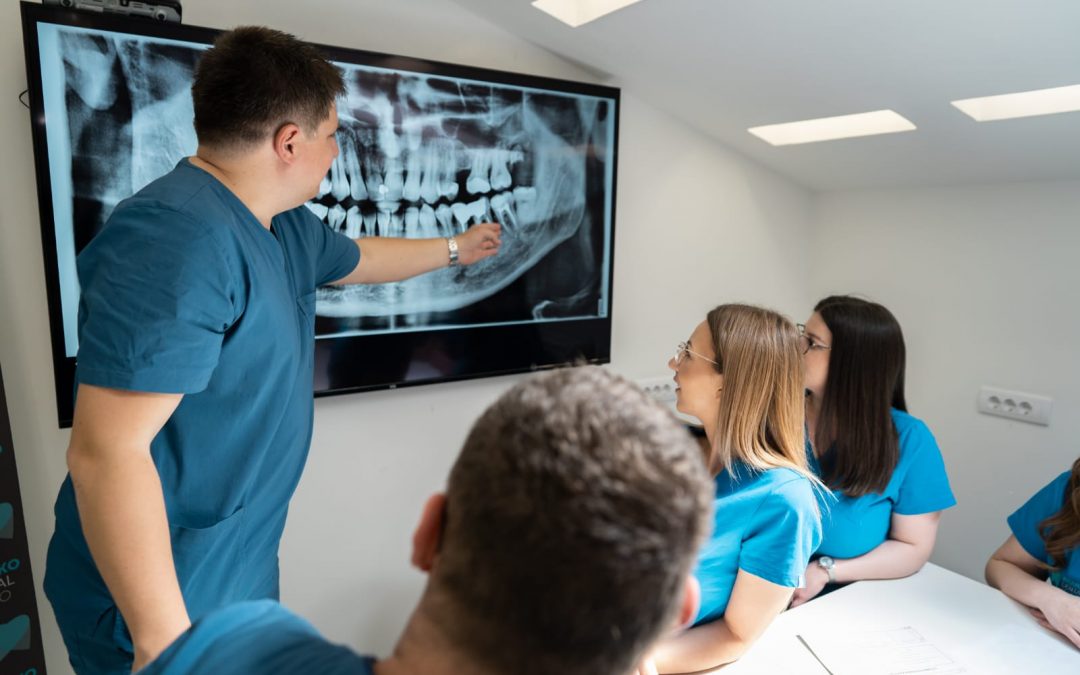
Napredak u savremenoj protetici: Ključ za zdraviji i lepši osmeh
Dobrodošli na blog Branko Dental Tehno, gde vam predstavljamo najnovije inovacije u dentalnoj protetici i njihovu važnost za vaše oralno zdravlje i samopouzdanje. U današnjem svetu, dentalna protetika predstavlja više od samo popravke zuba. Ona je postala sinonim za...
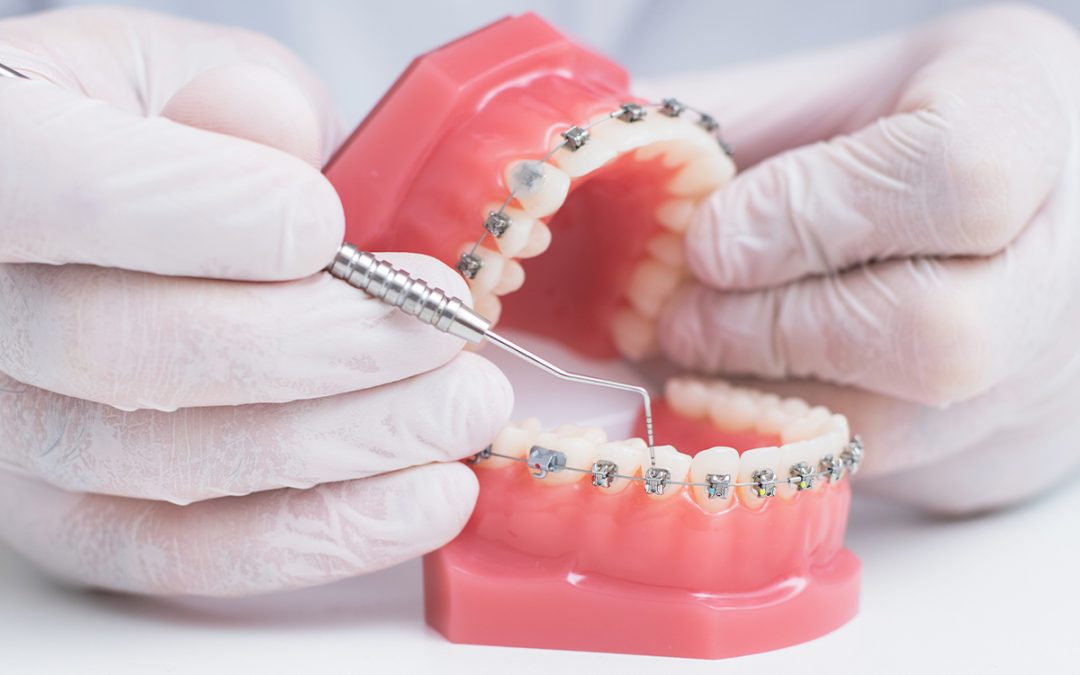
Mobilna ili fiksna proteza – šta je bolje i kako da izaberete (Niš vodič)
Dobro došli na blog Branko Dental Tehno! Ako razmišljate o opciji kao što je fiksna proteza u Niš, verovatno ste već naišli na dilemu: mobilna ili fiksna proteza – šta je bolje? Ovo je jedno od najčešćih pitanja koje postavljaju pacijenti koji traže ortodonta u Nišu,...