Oral surgery
Oral surgery is a branch of dentistry that deals with surgical procedures in the oral cavity and jaws. Oral surgeons and maxillofacial surgeons are specialists who perform a wide range of procedures to diagnose, treat and solve various oral and maxillofacial problems. This area of dentistry encompasses both aesthetic and functional aspects, providing patients with solutions to numerous oral and jaw challenges.
Here are some key aspects of oral surgery:
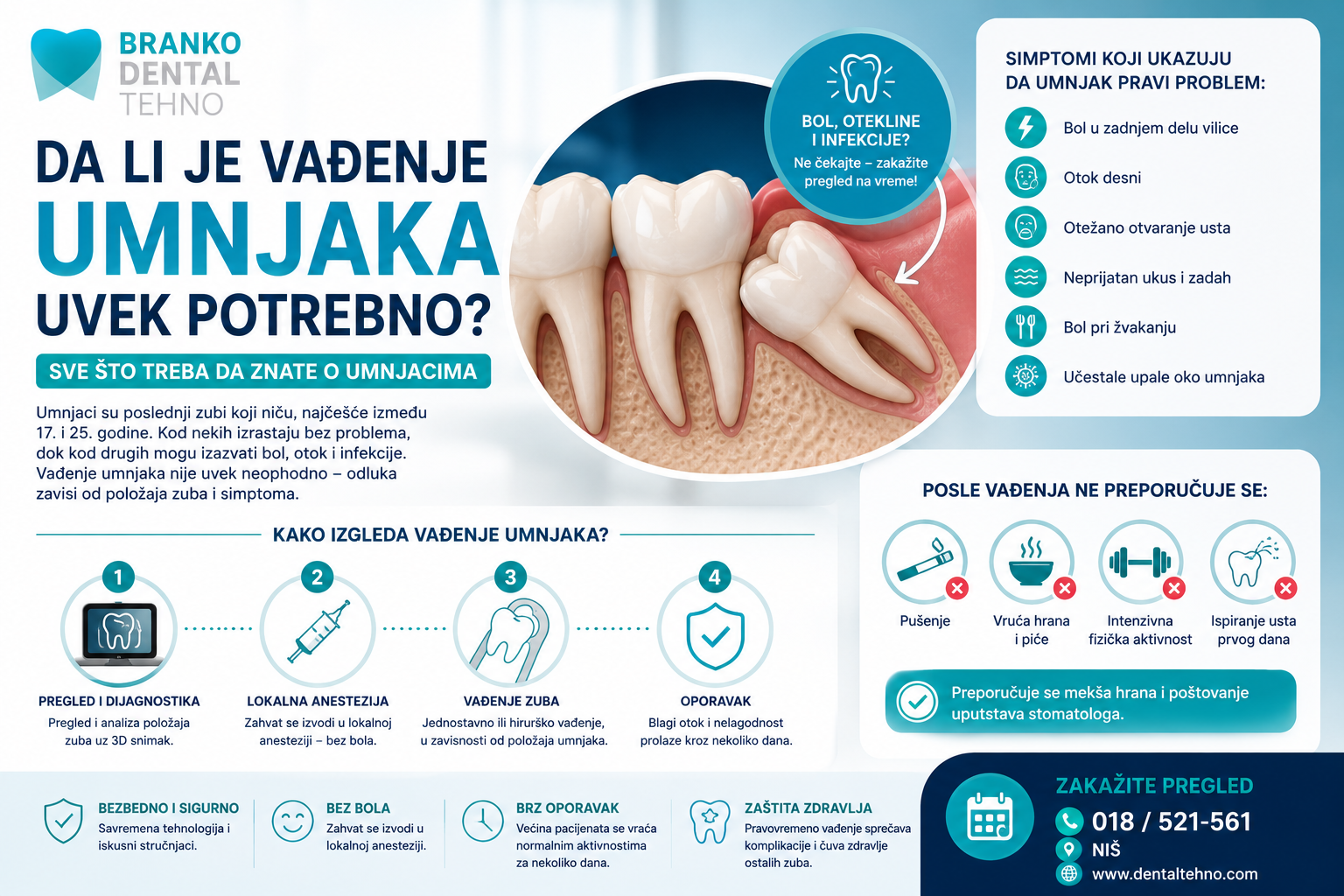
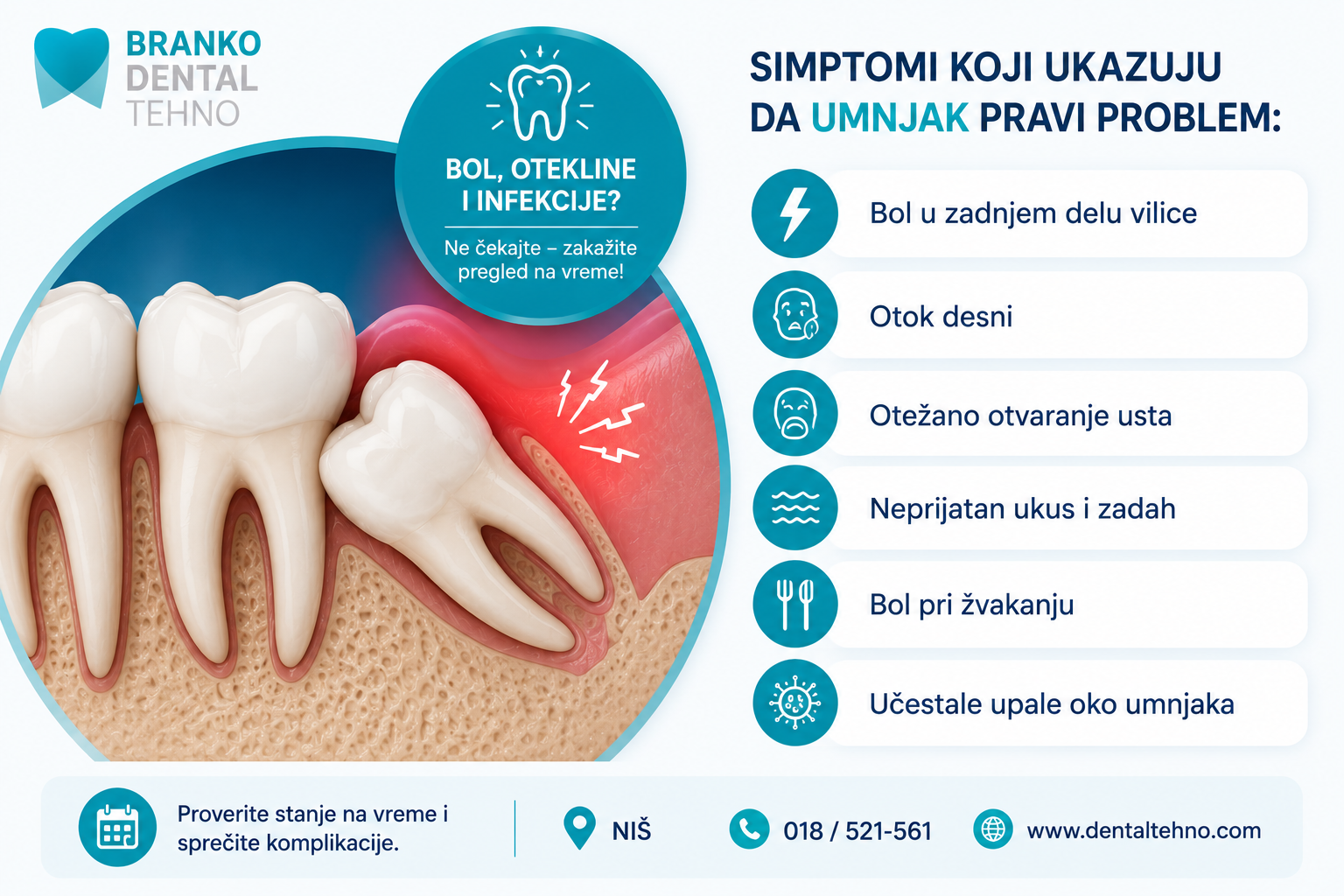
- Tooth extraction: Oral surgeons perform tooth extraction in situations where the tooth is severely damaged, infected, or if there is a need to remove impacted wisdom teeth that cannot grow properly.
- Implantologija: Placing dental implants is a common procedure in oral surgery. Dental implants are titanium screws that are placed in the jaw to serve as a replacement for lost tooth roots. After integration with the bone, prosthetic restorations such as crowns, bridges or prostheses are placed on the implants.
- Reconstructive surgery: Oral surgeons and maxillofacial surgeons deal with jaw and facial reconstruction after injuries, accidents or tumors. These surgical procedures can include bone, tissue and aesthetic reconstruction.
- Surgical treatment of diseases of the oral cavity: Oral surgeons and maxillofacial surgeons are involved in the diagnosis and treatment of various diseases of the oral cavity, including cysts, tumors, infections and mucosal changes.
- Corrective and aesthetic surgery: Oral surgeons and maxillofacial surgeons perform corrective surgical procedures to improve the aesthetics of the face and smile. This may include jaw surgery, nose reconstruction or lip contouring.
- Surgical treatment of temporomandibular disorder (TMD): Patients with TMD who suffer from jaw pain, teeth grinding, or limited jaw mobility may seek the help of an oral surgeon and maxillofacial surgeon for diagnosis and surgical treatment.
- Installation of orthodontic appliances: In some cases, oral surgeons collaborate with orthodontists to achieve optimal results in orthodontic treatment. This may include the placement of orthodontic appliances or surgical intervention to correct irregularities in the jaw.
Paranasal sinus surgery: In certain situations, oral surgeons and maxillofacial surgeons can perform surgical procedures on the paranasal sinuses, e.g. during placement of dental implants in the upper jaw where bone volume is limited, sinus lift, as well as sinus plastic, when there is oroantral communication.